
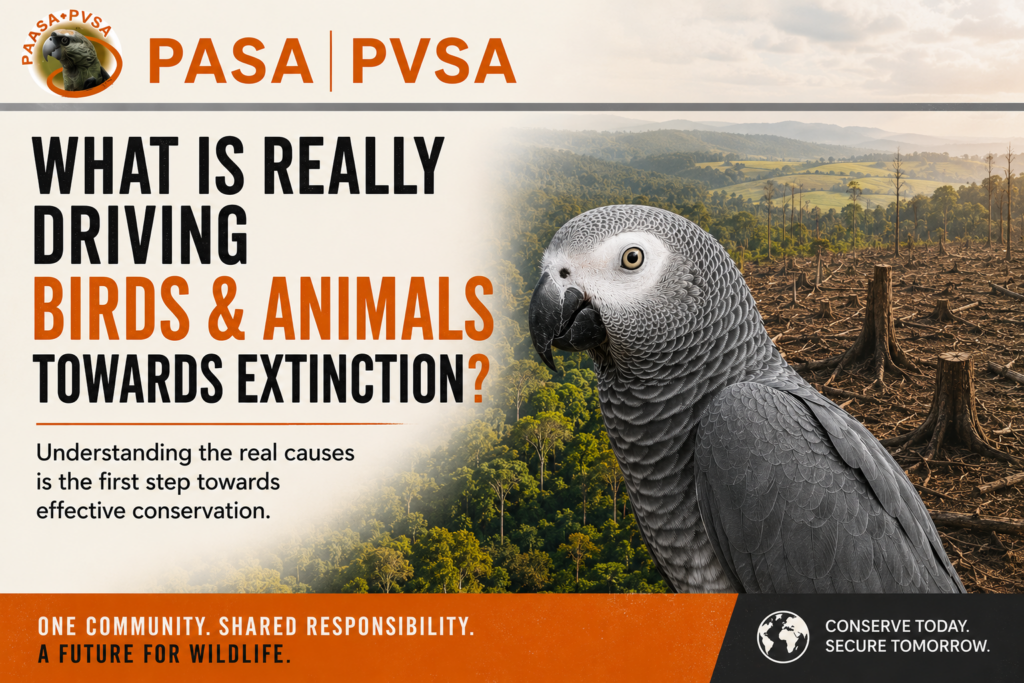
When we hear that a bird or animal is threatened with extinction, the first question should be simple:
What is actually causing the decline?
Understanding the causes of bird and animal extinction is essential because conservation can only succeed when it addresses the real threats facing a species.
There is no single cause of extinction worldwide. Different species face different pressures, and those pressures can vary between countries, habitats and individual populations.
However, when biodiversity loss is considered globally, one factor repeatedly stands out: the loss, degradation and alteration of natural habitat.
That does not mean habitat loss is the greatest threat to every species. Some species are primarily threatened by hunting, trapping, invasive species, disease, pollution or other pressures. Each species therefore needs to be assessed according to the evidence.
Habitat Loss — A Major Cause of Bird and Animal Extinction
Every wild animal needs somewhere to live.
Birds need suitable places to feed, breed, nest and raise their young. Mammals need food, water, shelter and enough territory to maintain healthy populations.
When these habitats disappear, wildlife populations can decline even when nobody is deliberately killing or capturing the animals.
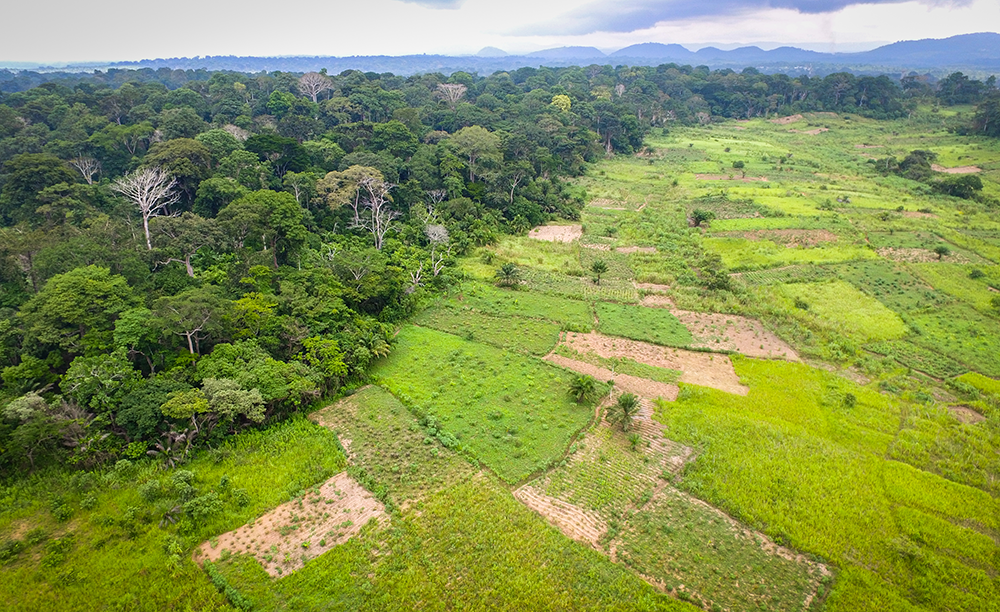
Forests are cleared or degraded. Grasslands are converted to agriculture. Wetlands are drained. Rivers are altered. Roads, mines, towns and other developments divide previously connected ecosystems.
For birds, the loss of mature nesting trees, feeding areas or seasonal water sources can be just as serious as the complete destruction of a habitat.
A species may therefore still appear relatively common today while the habitat needed to support future generations is steadily disappearing.
Agriculture and Land-Use Change
Agriculture and land-use change are closely connected to habitat loss.
Human populations require food, housing, infrastructure and economic development. Inevitably, this places pressure on natural ecosystems.
Agriculture occupies enormous areas of land, but the issue should not simply be presented as farming versus conservation.
Farmers also depend on healthy soils, reliable water supplies, pollinators and functioning ecosystems. Many landowners protect important natural areas on their properties.
The real challenge is finding ways to produce food and support communities while protecting important forests, wetlands, grasslands, migration routes and breeding areas.
Poorly planned land conversion can destroy or fragment an ecosystem surprisingly quickly. Good land management, on the other hand, can allow agriculture and biodiversity conservation to exist alongside one another.
Direct Exploitation and Wildlife Trade
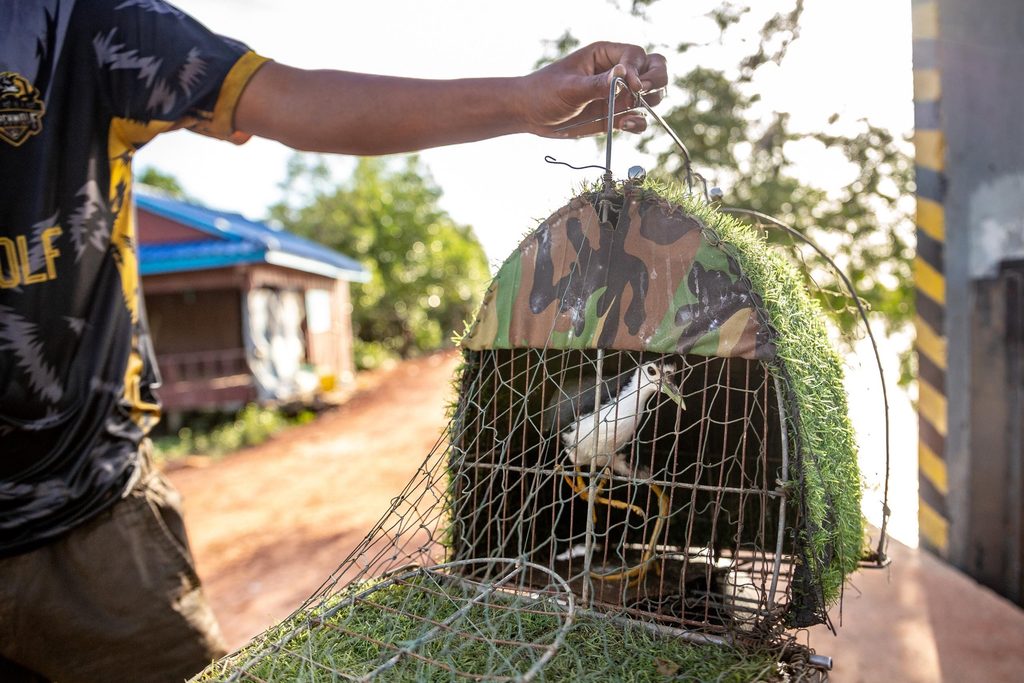
Another of the causes of bird and animal extinction can be the direct and unsustainable use of wildlife.
This includes hunting, fishing, trapping, collection and illegal wildlife trade.
For certain species, unsustainable exploitation has contributed significantly to population declines and cannot be ignored.
However, wildlife trade should not automatically be assumed to be the primary threat to every threatened species.
Instead, we need to ask:
Is the population declining because animals are being removed from the wild?
Is its habitat disappearing?
Are invasive predators destroying nests?
Has its food supply changed?
Is disease involved?
Is illegal trade involved?
Or are several pressures acting together?
Where illegal collection is damaging a wild population, it should be stopped.
Where legal trade could threaten a wild population, it should be scientifically assessed, monitored and appropriately regulated.
But where established captive populations exist independently of wild collection, that situation should also be recognised accurately.
Invasive Species
Invasive alien species are another important threat to biodiversity.
Introduced predators such as rats, cats and other animals have had devastating effects on some native wildlife populations, particularly on islands where species evolved without those predators.
Ground-nesting birds can be especially vulnerable.
Invasive plants can also transform ecosystems, alter water availability and replace vegetation on which native animals depend for food and nesting.
Once an invasive species becomes established, controlling it can be extremely difficult and expensive.
Prevention, early detection and responsible management are therefore essential.

Climate Change
Climate change is becoming an increasingly important pressure on wildlife.
Changes in temperature, rainfall and extreme weather can affect food availability, breeding seasons, migration and the geographical areas where species can survive.
The effects can become even more serious when combined with habitat fragmentation.
A species might theoretically move into a more suitable area as environmental conditions change. But if cities, roads, agriculture or other developments separate it from suitable habitat, there may be nowhere for that population to go.
Climate change and habitat loss can therefore reinforce one another.
Pollution, Pesticides and Environmental Contamination
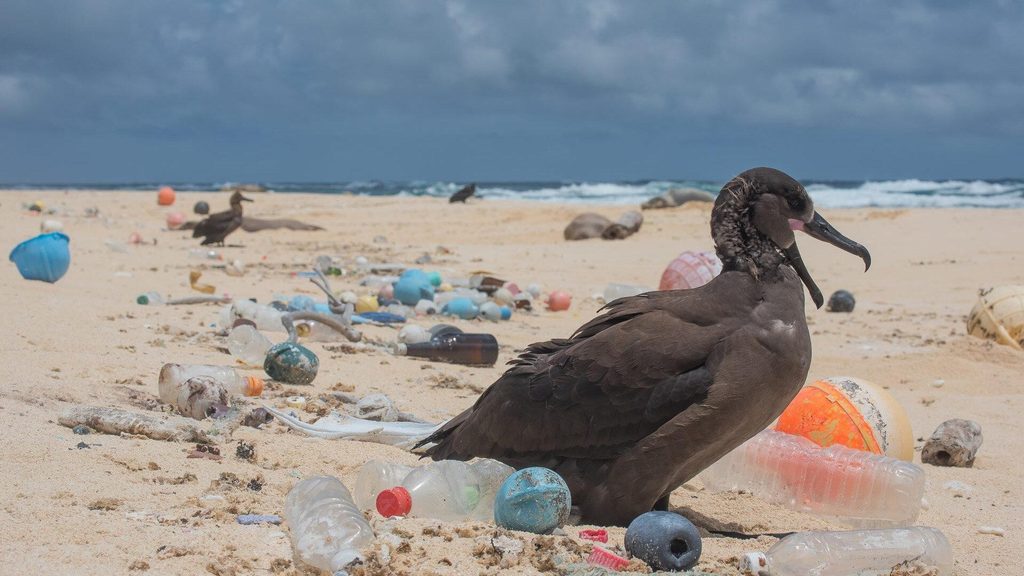
Pollution is another factor contributing to wildlife decline.
Pesticides can reduce insects and other organisms on which birds depend for food. Chemicals can enter rivers, wetlands and food chains. Plastic pollution can injure or kill wildlife.
Environmental contaminants may also affect reproduction and the health of individual animals.
These pressures do not always cause an obvious population collapse overnight. Their effects can accumulate over many years and combine with other threats.
Disease
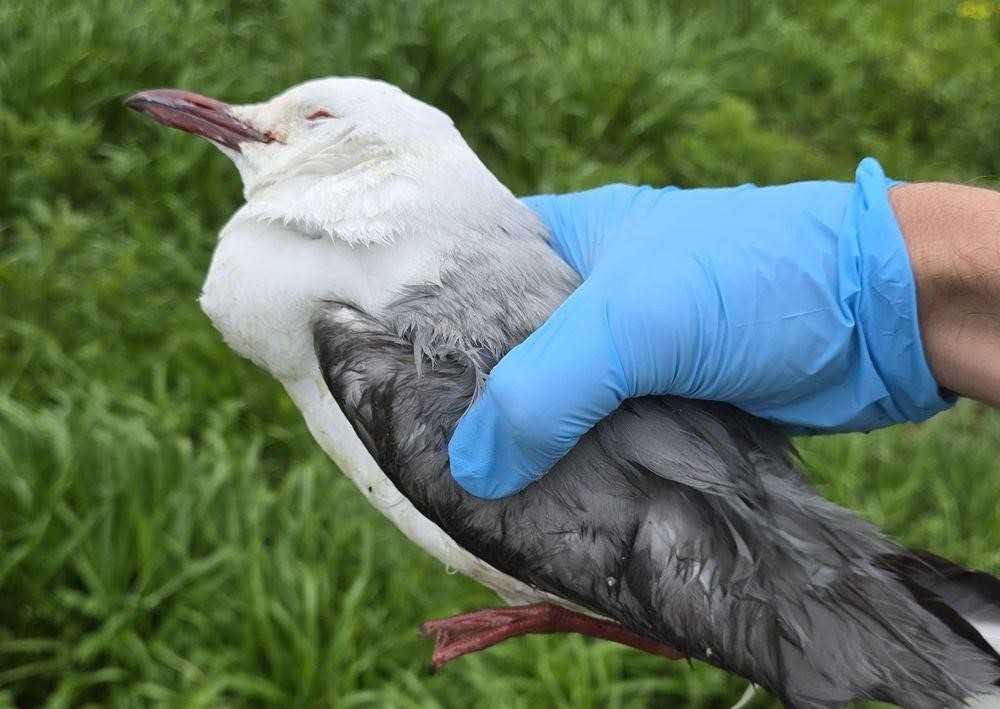
Disease can become particularly dangerous when wildlife populations are already small, fragmented or stressed.
Movement of animals, habitat disturbance and contact between previously separated populations can sometimes contribute to the spread of pathogens.
Disease therefore demonstrates why the causes of bird and animal extinction cannot always be considered separately.
It is also why biosecurity is important in conservation projects, rehabilitation facilities, zoos and responsible aviculture.
Extinction Is Often Caused by Several Threats
Perhaps the most important point is that extinction is rarely as simple as identifying one threat.
Species frequently face several pressures at the same time.
Consider a wild parrot population.
Its forest is gradually reduced and fragmented.
Fewer mature trees remain for nesting. The remaining birds become separated into smaller populations. Food becomes less predictable. Changing weather affects breeding. An invasive predator reaches some nesting areas. Disease places additional pressure on already stressed birds. Illegal trapping removes more breeding adults.
Which one caused the decline?
Potentially all of them.
The real danger is the combined pressure.
A population capable of surviving one threat may not be able to survive several simultaneously.
That is why conservation needs to identify the actual causes of decline rather than simply regulating the easiest activity to control.
Where Does Aviculture Fit Into Conservation?
The role of aviculture requires a balanced discussion.
Captive breeding and wild harvesting are not the same thing.
A parrot bred from an established captive population is fundamentally different from a parrot illegally removed from its nest in the wild.
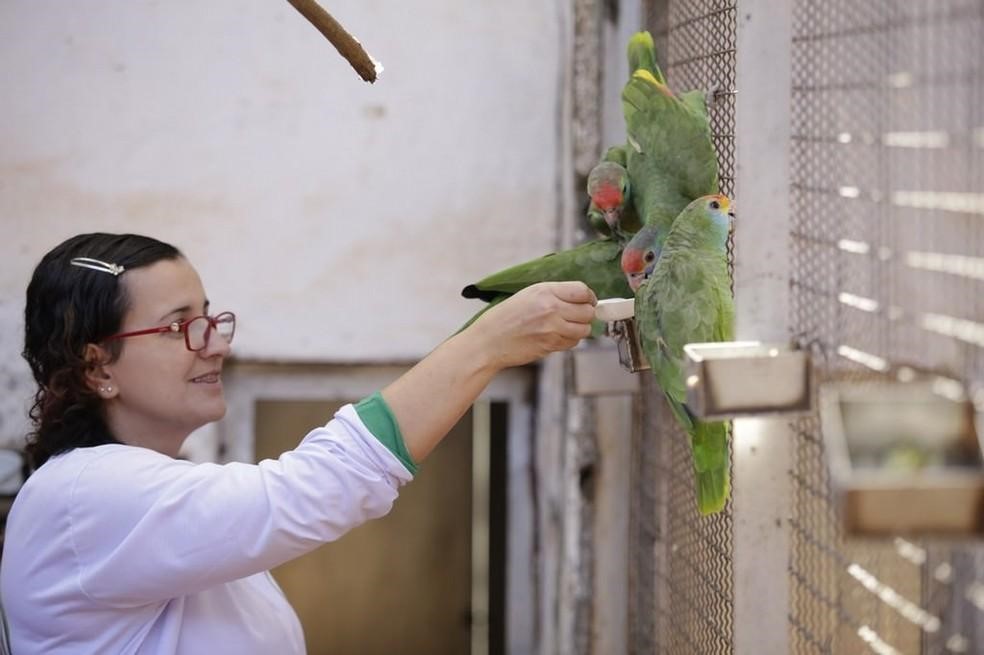
Responsible aviculture can maintain captive populations, preserve genetic diversity and develop valuable knowledge about breeding, incubation, nutrition, veterinary care and disease management.
Established captive breeding can also reduce the need for wild-caught birds.
But these benefits come with responsibilities.
Responsible breeders should support legal and traceable trade, proper identification and record keeping, high standards of animal welfare, responsible breeding practices, strong quarantine and biosecurity, and compliance with applicable legislation.
Illegal collection of wild birds should never be disguised as legitimate captive breeding.
The distinction between responsible captive breeding and unsustainable exploitation of wild populations is essential.
Conservation Must Address the Actual Cause
Understanding the causes of bird and animal extinction matters because different threats require different solutions.
If habitat destruction is causing a species to disappear, stopping legitimate captive breeding will not restore its forest.
If invasive predators are destroying nests, restricting responsible breeders will not remove those predators.
If pollution is contaminating a wetland, additional wildlife paperwork will not clean the water.
If disease is responsible, conservation requires surveillance, research and disease management.
And if illegal collection is causing the decline, enforcement must target the people illegally collecting and trafficking wildlife.
This does not mean regulation is unnecessary.
Effective regulation is extremely important — but it should address the actual risk.
Where legal wildlife trade could negatively affect wild populations, authorities should use scientific evidence, monitoring and appropriate controls to ensure that trade is sustainable.
Conservation works best when the threat is identified first and resources are then directed towards addressing it.
What Can We Do to Prevent Extinction?
There is no single solution to the global biodiversity crisis.
Important habitats need protection and restoration. Illegal wildlife trafficking must be investigated and prosecuted. Invasive species require prevention and management. Pollution needs to be reduced, while scientific research and population monitoring need continued support.
Governments need legislation that is practical, enforceable and based on sound evidence.
Landowners and farmers should be included as conservation partners.
Responsible breeders should maintain high standards of welfare, traceability, identification and biosecurity.
Conservation organisations, scientists, governments, zoological institutions, communities and avicultural organisations also need to communicate rather than work in isolation.
Understanding the Causes Is the First Step
Protecting birds and other animals should not become a contest between conservationists, scientists, governments, landowners, farmers, zoos and responsible breeders.
There is room — and a need — for all of them.
The objective should be the same:
Healthy, sustainable wildlife populations and functioning ecosystems for future generations.
That requires us to ask difficult questions.
What does the scientific evidence tell us?
What is happening to the habitat?
Is the wild population increasing or decreasing?
What is driving that trend?
Is trade affecting the wild population?
Are invasive species involved?
What role is climate playing?
Could responsibly managed captive populations contribute to long-term conservation?
And most importantly:
Will the action we are proposing actually improve the survival prospects of the species?
Understanding the causes of bird and animal extinction is where effective conservation begins.
The question should not simply be:
“Who can we restrict?”
The better question is:
“Why is this species declining, and what action will genuinely help it survive?”
Because preventing extinction requires more than good intentions.
It requires science.
It requires cooperation.
It requires responsible management.
And above all:
It requires understanding the real cause.